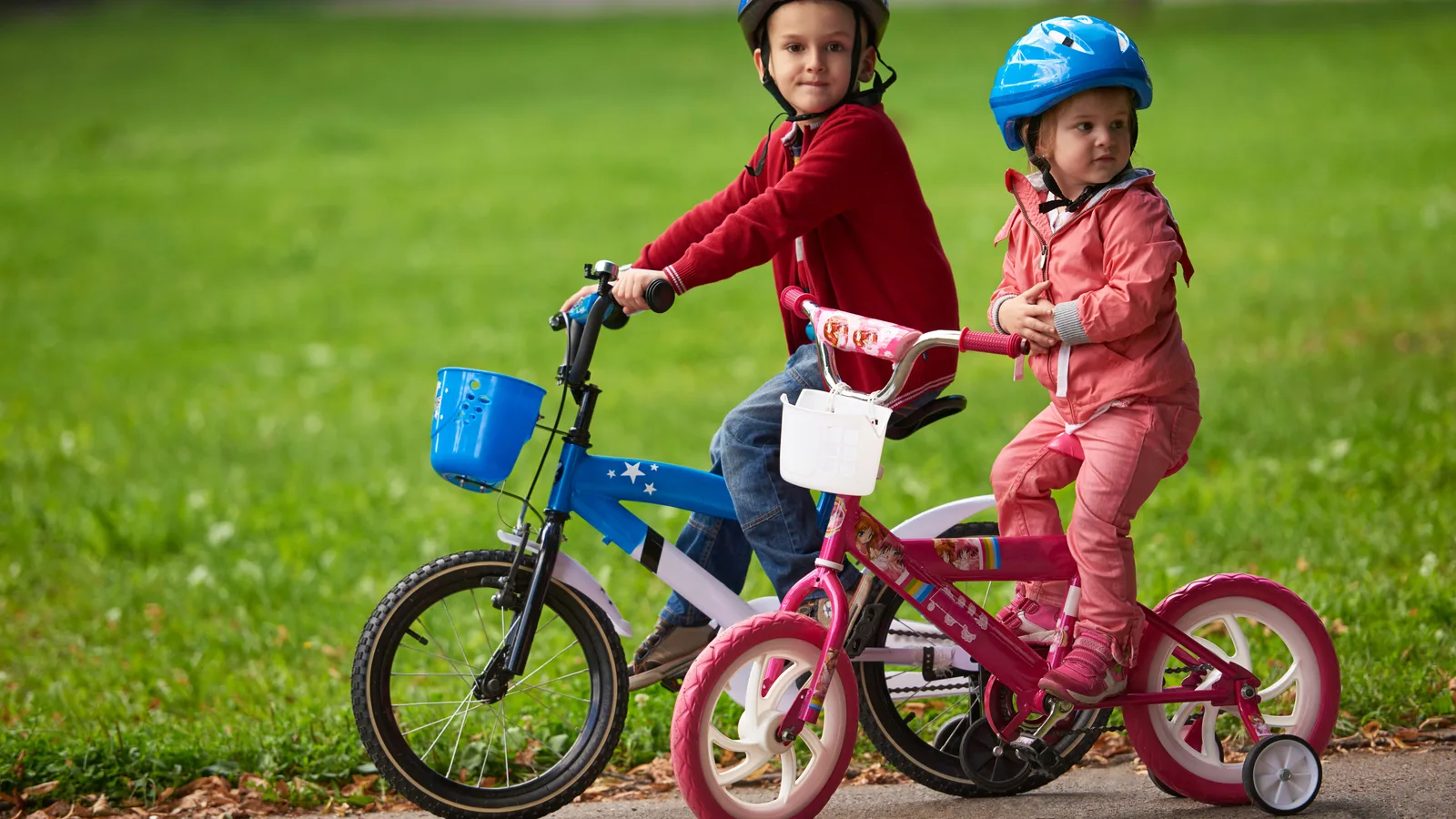
How to Choose a Bike Helmet: Fit First, Then Features
Measure your head, set the fit system and straps, check the standard mark, then compare features. A practical UK guide to choosing a cycle helmet.
The short answer
Buy for fit, not for features. A helmet that is the wrong shape for your head, or that sits tipped back off your forehead, will not do its job in a fall — however much it cost and however many vents it has.
Work through it in this order:
- Measure your head in centimetres
- Compare that number with the maker's size range, not the label
- Set the fit system and the straps properly
- Check the standard mark inside the shell
- Only then start comparing ventilation, weight and extras
If you do nothing else, do the roll test with the straps done up. That single check catches most of the helmets that are sold to people but never really fitted to them.
What you need before you start
You don't need much, but you do need the right few things. Trying a helmet on in the clothes you actually ride in takes ten minutes and saves a lot of guesswork.
- A soft tape measure
- A cloth or flexible tape. A rigid tape or a ruler held against your head gives a poor reading around the curve.
- What you normally wear on your head
- Glasses or sunglasses, a thin cycling cap or headband, and your usual hairstyle. All of them change the fit.
- A mirror, or a second pair of eyes
- The one thing you can't check alone is whether the helmet sits level when viewed from the side.
- A view of your usual riding
- Commuting, club runs, trail centres and school runs ask different things of a helmet. Decide before you start comparing.
How to choose a bike helmet, step by step
-
1. Measure your head in centimetres
Run a soft tape around the widest part of your head, roughly a finger's width above your eyebrows and around the fullest part at the back. Keep it snug but not digging in, and measure two or three times. Write the number down — it is the only figure that decides which size range you're in.
-
2. Decide what most of your riding actually is
A daily commute, a weekend club run and a day at a trail centre put different demands on a helmet. Be honest about the riding you do most weeks rather than the riding you'd like to do, because that decides coverage, ventilation and whether a peak makes sense.
-
3. Compare your number with the maker's size range
Sizes are usually printed as ranges spanning a few centimetres per shell. Aim to sit comfortably inside a range rather than right at an edge, and lean towards the larger shell if you're on a boundary — the fit system needs somewhere to tighten into.
-
4. Put it on with the straps loose and everything you normally wear
Back the dial off completely and let the straps dangle. The helmet should sit level, with the front edge just above your eyebrows, clear of your glasses and not resting on the arms of them.
-
5. Feel for pressure points, then shake your head
Press gently all around the shell. Even, steady pressure is fine; a sharp point of pressure on the forehead or above the ears means the shell shape is wrong for your head, not that the size is wrong. With the dial still loose, shake your head gently — the helmet shouldn't slide around.
-
6. Tighten the fit system, then set the straps
Turn the dial at the back until the helmet grips evenly all round without pinching. Then slide the side splitters so the straps form a V just under each ear, and fasten the chin buckle with about a finger's room. You should be able to open your mouth and feel the helmet press down slightly.
-
7. Do the roll test
With the chin strap done up, hook your fingers under the front edge and try to roll the helmet backwards off your forehead. It should pull the skin of your forehead with it rather than tipping back. If it rolls off, shorten the chin strap and try again.
-
8. Check the marking and the paperwork
Look inside the shell for the standard mark, the maker's details and the model name, and keep the manual that comes with it. If you're fitting a child, check the same things and make sure the helmet doesn't block their view or cover their ears.
-
9. Reset the fit after the first few rides
Straps stretch and settle and liners compress. Give it five minutes after a couple of rides to redo the chin strap and the side splitters. A helmet that fitted perfectly in the shop is often a little loose a week later.
How a cycle helmet should actually sit
A correctly fitted helmet sits level on your head, not tilted back like a sun hat. The front edge should be roughly two finger-widths above your eyebrows — close enough that your forehead is covered, high enough that you can still see ahead when you're in a low riding position.
The side straps should form a neat V just below each ear, with no strap crossing the ear itself. The chin strap should be snug enough that the helmet can't be pushed back off your head, and loose enough that you can swallow and turn your head freely.
Check the whole thing again with your glasses on and your head tipped forward in your riding position, because that's the moment a badly set helmet either drops over your eyes or slides back.
Matching the helmet to the riding you do
Once the fit is right, the differences between helmet types are mostly about coverage, airflow and what you want bolted to the shell. These are broad patterns rather than rules — plenty of helmets sit between categories.
| What changes | Road and club rides | Commuting and town | Trail and off-road |
|---|---|---|---|
| Coverage | Close to the skull with moderate protection at the back | Often deeper at the back and sides, where town falls tend to land | More at the back and sides, with a lower edge above the neck |
| Ventilation | Many vents and internal channels for long, hot efforts | Fewer, smaller vents; some have more closed shells for wet weather | Large vents, usually with mesh at the front to keep grit and insects out |
| Peak or visor | None, or a small removable one | Sometimes a short peak or a visor for rain | Adjustable peak, often shaped to work with goggles |
| Extras worth looking for | A place to park sunglasses, a cradle that leaves room for a ponytail | Reflective details, a light mount, pads you can remove and wash | A goggle strap at the back, mounts for a light or camera |
| Fit traps | Aerodynamic shapes can press on rounder heads | Deeper shells can clash with glasses and headphones | A large peak can catch crosswinds on the road |
Standards, marks and what they actually promise
In the UK, helmets sold for cycling are normally tested to EN 1078, the standard covering helmets for pedal cyclists and for users of skateboards and roller skates. A compliant helmet carries a UKCA or CE mark and the maker's details inside the shell.
The standard covers impact absorption on a test rig, the strength of the retention system and the fact that the helmet doesn't obstruct your field of vision. It is a floor, not a promise: the tests don't reproduce everything that happens when you come off, particularly the twisting forces involved in many real falls.
That's exactly why fit matters so much. A helmet held firmly in the right place can absorb the impact it was designed for. One that rolls backwards on the way down cannot.
Features worth caring about
Worth paying attention to
- A size range that brackets your head measurement with room to spare
- A dial or cradle at the back that grips the whole back of the skull, not just a band
- Side splitters that slide and stay where you put them
- A buckle you can fasten and release with cold hands or gloves
- Clear instructions and a standard mark printed inside the shell
- A colour and reflective details you'll actually be seen in on a grey morning
Easy to overrate
- Huge vent counts — lovely in July, cold and wet in a British January
- Weight savings of a few dozen grams, which few riders notice on a club run
- Aerodynamic shaping, unless you're actually racing against a clock
- Price as a stand-in for safety: every helmet meets the same standard
- Rotational liners sold as a reason to skip getting the fit right
Weight and airflow are the two things makers compete on, and both matter — but they matter after the fit is sorted, not instead of it.
What commonly goes wrong, and how to fix it
- Helmet worn too far back. The front edge should be just above the eyebrows. If it covers your eyes at that height, the shell shape is wrong for you — try a different model rather than pushing it back.
- Chin strap left slack. It should be snug enough that the roll test pulls your forehead skin. Lengthen it slightly if it's uncomfortable, but not until it's loose.
- Straps twisted or the splitters in the wrong place. Undo the buckle, straighten the straps flat against your head and reset the V under each ear.
- A thick hat or hood underneath. It lifts the helmet off your head and stops the cradle gripping. Keep layers thin, or size up if you'll always wear one.
- Buying the same size as last time. Sizing changes between models and makers. Measure again each time rather than trusting the label on your old helmet.
- Reusing a helmet after a knock. Foam that has compressed doesn't spring back. If it took an impact with your head in it, replace it.
When to replace a helmet
Replace a helmet after any impact where it took the force — including one where you hit the ground and the helmet looks fine. The foam liner is designed to crush once, and it doesn't recover.
Retire it sooner than you'd like if you find cracks in the shell, crushed or flaking foam, frayed or stretched straps, or a buckle that won't hold. Follow the maker's own replacement guidance in the manual, and be stricter with a helmet that lives in a hot car, a shed or a damp bag, because heat and sweat age the foam and the padding.
A helmet you've used hard for several years is worth replacing even without a crash, and any helmet involved in a crash should be replaced straight away.
Helmets for children and for other people
The method is the same, but the tolerances are tighter. Measure a child's head rather than guessing, and check that the helmet sits level and low enough at the front without covering their eyebrows or blocking their view upwards.
Children often end up with a helmet that has been sized up to last, which means it rocks or sits too high. A helmet that fits now and is checked every few months as they grow is the better trade. Check that the straps don't rub their neck, that the buckle can't be undone by them mid-ride if that's a concern, and that the helmet doesn't sit on top of a hood or a thick winter hat.
For anyone else — a partner, a parent — the roll test is the fastest way to spot a bad fit. Ask them to tip their head forward and shake it gently; if the helmet moves independently of their scalp, the straps need adjusting.
Frequently asked questions
I dropped my helmet on the floor — do I need a new one?
A knock with nothing inside the helmet is unlikely to compress the liner. An impact with your head in it is different. Look for cracks in the shell or crushed foam, and replace it if you find either or if the helmet took a real hit.
Are more expensive helmets safer?
Every helmet sold in the UK has to meet the same standard, so price is not a safety rating. Extra money tends to buy lower weight, better ventilation and more adjustment to fine-tune the fit.
How do I pick a size if I'm ordering without trying it on?
Measure your head in centimetres and compare that number with the size range rather than the label. Choose a size where your measurement sits comfortably inside the range instead of right at the edge.
Can I wear a cycling cap or headband under my helmet?
A thin cap or headband is fine provided the helmet still sits level above your eyebrows and the fit system tightens properly. Thick hats, hoods and large headphones lift the helmet and stop it gripping.
Does a helmet need replacing if it's never been crashed?
Foam and straps degrade with sweat, sunlight and heat. Follow the maker's replacement guidance in the manual, and treat heavy use over several years or storage in a hot car as reasons to replace sooner.
Related articles
 How to Fix a Puncture: A Step-by-Step Guide for CyclistsRide Guides
 How to Teach Your Son to Ride a Bike: A Step-by-Step GuideRide Guides
 How to change a bike tyre: step-by-step guideRide Guides
 How Do You Measure a Bike Frame Size? A Simple GuideRide Guides
 How to Adjust Bike Brakes: Rim and Disc Brakes, Step by StepRide Guides
 How to change a bike inner tube, step by stepRide Guides
 How to Get Pedals Off a Bike: Direction, Tools and FixesRide Guides
 How to Measure Bike Helmet Size: A Step-by-Step Fit GuideRide Guides