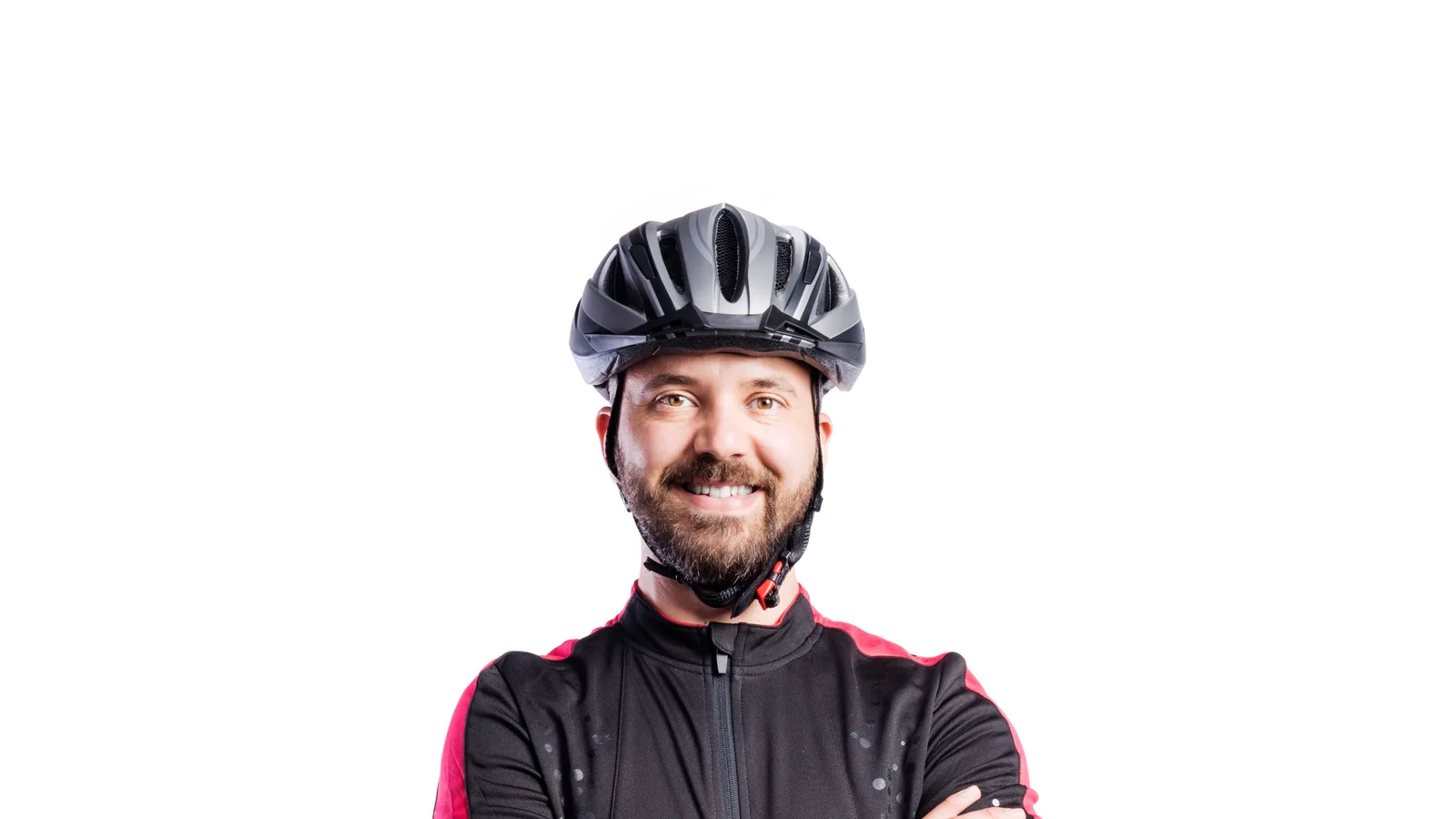
Best road bike helmets for British club rides
Five road helmets we rate for British club rides, from ventilated climbing lids to aero race shells, plus fit advice and the safety basics.
The quick answer: which road helmet suits you?
Almost every road helmet on sale in the UK meets the same safety standard, so the real question is which one you will still be happy wearing four hours into a wet Sunday in the Chilterns. Our five picks fall into three groups:
- Ventilated all-rounders for riders who climb, ride sportives and want airflow first
- Aero-biased shells for fast chaingangs, crits and anyone chasing free speed
- Practical shapes built for changeable weather, with glasses docks and comfortable straps
If you want one answer: the Specialized S-Works Prevail 3 is the helmet we would hand to most club riders, because it vents brilliantly at climbing speeds and stays comfortable all day. If you race or ride fast group rides, the Trek Ballista MIPS is the better tool. If you want a single lid to do everything without spending the most, the Giro Synthe MIPS II is the sensible middle ground.
How the five helmets compare
| Helmet | Best for | Airflow | Aero bias | Detail worth knowing |
|---|---|---|---|---|
| Specialized S-Works Prevail 3 | Best overall | Outstanding | Low | Deep internal channelling keeps air moving over the crown on long climbs |
| Giro Synthe MIPS II | Best all-round value | Strong | Moderate | Wind-tunnel-derived shape with generous rear exhausts |
| Kask Protone Icon | Best in mixed weather | Good | Moderate | Rubberised grippers hold sunglasses on rough tarmac |
| POC Ventral Air MIPS | Best for hot days | Outstanding | Low | Unibody shell wraps the lower edge of the helmet |
| Trek Ballista MIPS | Best aero | Moderate | High | Short-tail shape that still looks normal on a club run |
Read the table as a set of trade-offs rather than a ranking. Airflow and aero pull in opposite directions: the two most ventilated helmets here are the ones that give away the most on a fast descent, and the Ballista wins on pace while running warmest on a long climb. Everything on the list uses a rotational-impact system and a dial-adjusted cradle, so the differences come down to shape, comfort and the small practical details.
Best overall and best value road helmets
Best overall
Specialized S-Works Prevail 3
4.7The Prevail has been the default climbing helmet in club riding for years, and this generation is the most convincing version yet. Specialized has cut a deep channel through the middle of the shell so air passes over the crown of the head instead of stalling behind the brow. On a long drag in the Peak District you notice it: the helmet stays cool at low speed, when most aero lids turn into a greenhouse.
It is light, the straps are thin and unobtrusive, and the cradle spreads pressure across the back of the head rather than digging in. Your money goes on airflow and finish rather than features — there is no dedicated glasses dock and the price is squarely premium.
What we like
- Airflow that works at climbing speeds, not just in a wind tunnel
- Light and comfortable enough for all-day sportives
- Rotational-impact protection built into the padding rather than a separate liner
- Wide choice of sizes and colours
What to weigh up
- Premium price for a helmet with few extra features
- Not the shape to pick if you race criteriums
- No dedicated sunglasses dock
Best all-round value
Giro Synthe MIPS II
4.5The Synthe sits between a pure climber's lid and a full aero shell, which is exactly where most British riding happens: rolling lanes, a Saturday chaingang and the occasional sportive. Giro's wind-tunnel-derived shape keeps the front vents shallow and the rear exhausts large, so it breathes well without the bulbous look of a dedicated aero helmet.
The Roc Loc retention dial is one of the easiest to adjust one-handed on the move, and the MIPS liner is integrated rather than loose. It is not the lightest helmet here, and side-on it looks a little dated next to the newest shells, but as a single do-everything helmet for a rider who does not want to think about it, it is hard to beat.
What we like
- Balanced ventilation and aero performance
- Retention dial is easy to tweak one-handed mid-ride
- Predictable fit that suits a wide range of head shapes
- Widely stocked in UK shops, so easy to try before buying
What to weigh up
- Feels heavier than dedicated climbing lids
- Side profile looks dated beside newer shells
- MIPS liner adds a little bulk inside
These two cover most riders. Choose the Prevail 3 if you ride hilly sportives or simply overheat easily, and accept that you are paying for ventilation. Choose the Synthe MIPS II if you want one helmet for everything and would rather spend the difference on kit you will use every week.
Best for ventilation, aero pace and mixed weather
Best for British weather
Kask Protone Icon
4.6Italian helmets have a reputation for fit, and the Protone Icon is the one we see most often on British club runs. The shell is round rather than teardrop, which suits riders who never settled into racier shapes, and the padding is generous enough for three-figure days without pressure points.
The details are what sell it: rubberised grippers on the vents hold sunglasses securely when the sun disappears behind a cloud, and the leatherette chin strap avoids the chafing you get from webbing on a wet ride. Ventilation is good rather than remarkable, and it is priced towards the top of the market, but for year-round riding in changeable weather it is the most practical helmet here.
What we like
- Glasses dock that actually holds sunglasses on rough tarmac
- Comfortable rounded fit for long days
- Leatherette strap is kind to skin in the rain
- Finish feels genuinely premium
What to weigh up
- One of the priciest helmets on the shortlist
- Airflow trails the most ventilated lids in a heatwave
- Retention adjustment is less refined than the best
Best for hot days and climbing
POC Ventral Air MIPS
4.4POC's approach is to let air in at the front and get it out fast at the back, and the Ventral Air is the clearest expression of it. The front intakes are large and the rear exhaust ports are wide open, so the helmet feels airy even when you are crawling up a climb in July.
The unibody shell wraps the lower edge, which helps it survive being dumped in a bike bag, and the shape sits close and low on the head. Riders with narrow heads sometimes find POC's fit too round at the temples, so try before you buy, and it gives away a little to the aero lids on a fast descent.
What we like
- Excellent airflow for hot days and long climbs
- Unibody shell protects the lower edge from knocks
- Sits low and feels secure at speed
- Rotational-impact protection as standard
What to weigh up
- Round internal shape will not suit every head
- Aero performance is modest
- Fewer practical extras than the Kask
Best aero
Trek Ballista MIPS
4.5If your riding is about chasing wheels rather than climbing, the Ballista is the sensible choice. It is a short-tailed aero shell developed with Trek's pro riders, and unlike the teardrop helmets of a decade ago it does not look absurd on a Sunday club run. The close fit and smooth top surface are what make it quick; you feel it most on long fast drags and descents where the group is holding 35–40 km/h.
The trade-off is heat. There is enough ventilation for British summers and it copes with a chaingang, but on a long Alpine climb in August you will notice the difference against a Prevail or a Ventral Air. It also sits snugly, so check it with the sunglasses you actually ride in.
What we like
- A real aero gain on fast club runs and descents
- Modern short-tail shape that still looks normal
- Secure fit with plenty of adjustment
- Well ventilated for an aero helmet
What to weigh up
- Runs hotter than ventilated lids on long climbs
- Snug fit can crowd larger sunglasses
- Not the pick if all-day comfort is your priority
How to choose a road bike helmet
- Rotational-impact protection. MIPS and similar systems are now standard on mid-range lids and above. They are not required by the safety standard, but they are worth having.
- Ventilation versus aero. Deep front vents and big exhaust ports keep you cool on climbs; smooth shells and short tails save watts at speed. Be honest about which riding you actually do.
- Retention cradle. Look for a dial you can adjust one-handed and a cradle that cups the back of the head, not one that presses on a single point.
- Straps and buckle. Thin webbing with a well-padded buckle matters more than most riders expect on a four-hour ride.
- UK marking. A helmet sold here should carry UKCA or CE marking to EN 1078. Buy from a reputable shop rather than an unknown marketplace listing.
- Practical details. A glasses dock, reflective detailing and replaceable pads all add real value for year-round British riding.
- Fit and stability
- 5.0/5
A helmet that shifts when you shake your head will distract you for the whole ride.
- Ventilation
- 4.5/5
Matters most for climbers and summer riders; less so for winter club runs.
- Rotational-impact protection
- 4.5/5
MIPS and similar systems are now standard on most mid-range and premium lids.
- Aero performance
- 3.5/5
Only pays off above roughly 30 km/h, so it matters most to racers and fast chaingangs.
- Weight
- 3.0/5
Noticeable over four hours, but a good fit matters more than 50 g.
Fit, sizing and the mistakes riders make
Measure around the widest part of your head, roughly a centimetre above the eyebrows, and compare that to the size chart rather than guessing from hat size. If you fall between sizes, try both: some shells run large, and padding thickness varies between models.
The helmet should sit level, just above the eyebrows, not tipped back to expose your forehead. Once the dial is snug, shake your head firmly — the skin on your forehead should move with the helmet and the shell should not rotate independently. Straps should form a V just below each ear, with no more than a finger's width under the buckle when your mouth is open.
The most common mistake is buying a size up for winter. A beanie or headband changes fit by a few millimetres at most; if you need a size bigger, the helmet was too big in the first place.
Our verdict
Nothing here is a bad helmet. If you ride in a club where half the group wears a Kask, it is probably because the round fit works for a lot of British riders, and the Protone Icon remains the most practical choice for weather that changes every hour. The POC Ventral Air MIPS is the one to try if you suffer in the heat, and the Ballista is the one to try if you chase strava segments. Whichever you choose, buy the size that fits and replace it after any impact.
Frequently asked questions
How often should I replace a road bike helmet?
Replace it immediately after any impact, even a low-speed fall or a drop onto tarmac. Otherwise, replace it when the pads, straps or dial start to degrade, and follow the service-life guidance from the manufacturer, as the foam and adhesives do age.
Are more expensive helmets safer?
Not necessarily. All helmets sold in the UK meet the same EN 1078 standard, so the extra money buys ventilation, lower weight, better fit systems and nicer finishes rather than a higher safety rating.
Do I need MIPS or a similar rotational system?
It is not required by the standard, but rotational-impact systems are now common on mid-range lids and above and add little weight. If your budget stretches to a helmet with one, it is a sensible extra.
Can I use a road helmet for gravel or commuting?
Yes. Road helmets work fine on gravel and for commuting; you lose nothing in protection. Many riders prefer a road lid with more ventilation and a glasses dock for exactly that mixed use.
Can I wear a cap or headband under my helmet?
Yes, provided the helmet still fits properly. A thin skull cap or headband adds only a couple of millimetres. If you have to loosen the dial right off or size up, the helmet is too big.
Related articles
 Best bike helmets: 5 picks for road, commuting and valueShortlists
 The best bike phone mounts for road and gravel ridersShortlists
 Best Bike Pumps: 5 Picks for Home, Road and TrailShortlists
 Best bike shorts: five picks for comfort on every rideShortlists
 Best BMX Bikes for Street, Park and BeginnersShortlists
 Best foldable electric bikes for UK commutersShortlists
 Best gravel bikes: five picks for UK lanes and club runsShortlists
 Best mountain bike helmets: 5 picks for UK trail ridersShortlists