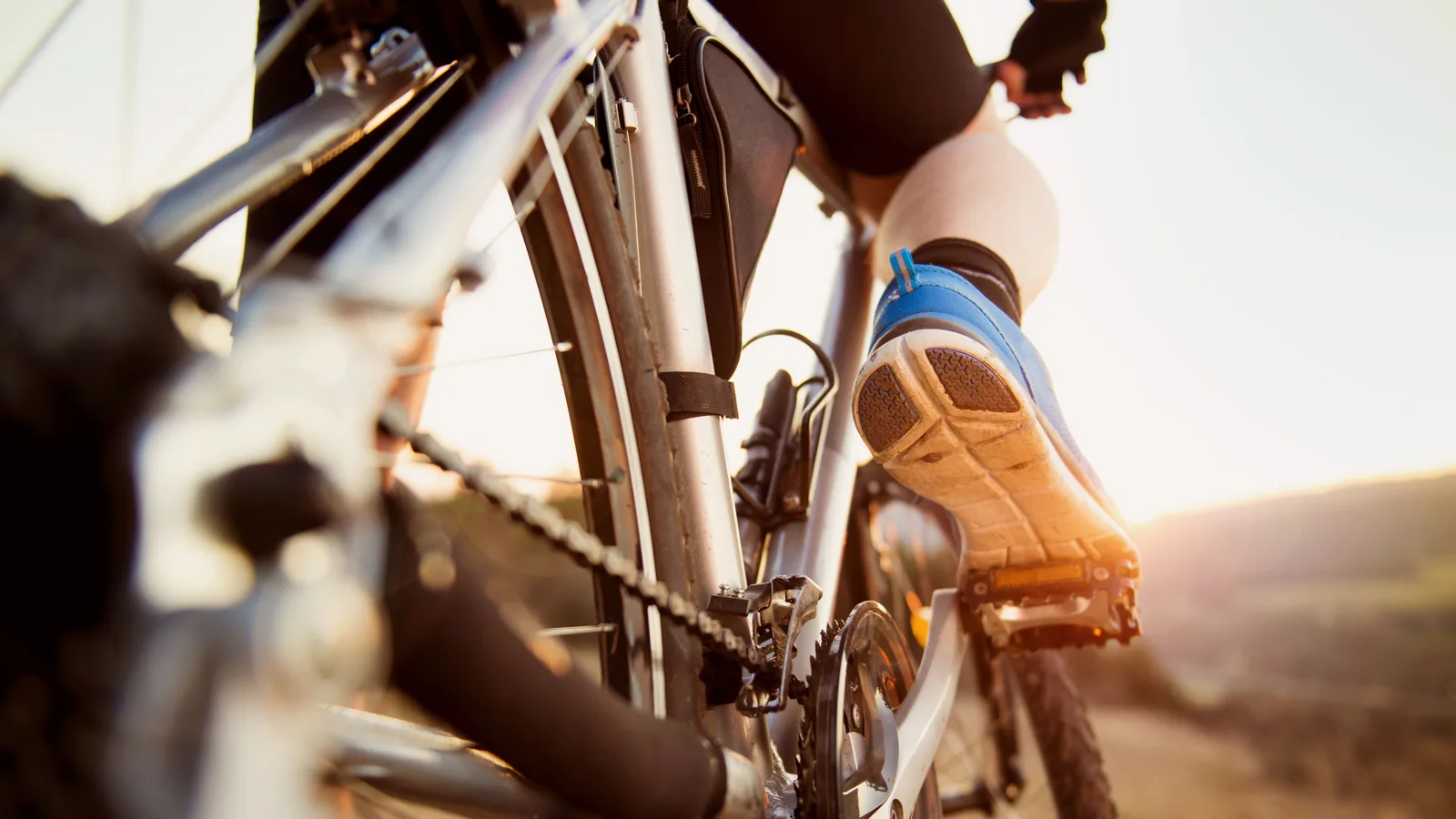
Best cycling shoes: 5 picks for club riders and commuters
Five cycling shoes we'd recommend for UK club riders, from a do-it-all road pick to wide-fit, gravel and commuting options, plus fitting advice.
Best cycling shoes: the quick answer
Cycling shoes are one of the few bits of kit that change how the bike feels rather than just how it looks. A stiff sole spreads your effort across the pedal instead of letting the shoe fold around it, and a proper closure keeps your heel down when you put the power through.
The catch is that shoes are the most personal purchase in cycling. The best-reviewed pair in the world is useless if it pinches your little toe at 60km. So the picks below are chosen for good fit across a spread of foot shapes, sensible closure systems and cleat standards you can actually buy in a UK shop.
- Best overall road shoe: Shimano RC7 — stiff enough to race, comfortable enough for a long Sunday run.
- Best budget road shoe: Shimano RC3 — a single Boa dial at the entry point of the range.
- Best for wide feet: Lake CX241 — proper wide and extra-wide lasts, not a stretched standard one.
- Best gravel and XC shoe: Shimano XC7 — recessed SPD cleat so you can walk and carry.
- Best commuter and touring shoe: Giro Rumble VR — laced, trainer-like and easy to walk in.
How the five picks compare
| Shoe | Best for | Cleat standard | Closure | Sole |
|---|---|---|---|---|
| Shimano RC7 | All-round road riding and club runs | 3-bolt (SPD-SL, Look Keo) | Two Boa dials | Carbon-reinforced composite |
| Shimano RC3 | A first pair of road shoes | 3-bolt (SPD-SL, Look Keo) | Single Boa dial plus strap | Nylon and glass-fibre composite |
| Lake CX241 | Wide and hard-to-fit feet | 3-bolt (SPD-SL, Look Keo) | Boa Fit System | Carbon fibre |
| Shimano XC7 | Gravel, cyclocross and XC racing | 2-bolt (SPD) | Two Boa dials | Carbon-reinforced composite |
| Giro Rumble VR | Commuting, touring and café stops | 2-bolt (SPD) | Laces | Nylon with rubber tread |
Best road cycling shoes
All three of these use the three-bolt pattern that fits Shimano SPD-SL, Look Keo and similar road pedals. The trade-off is a protruding cleat, so you walk like a duck across the car park — normal, and worth it for the wider pedal platform on longer rides.
Best overall road shoe
Shimano RC7 (SH-RC702)
4.5The RC7 sits in the middle of Shimano's road range, which is exactly where most club riders should be looking. The carbon-reinforced composite sole is stiff enough to feel sharp in a sprint or a chaingang, but it isn't so rigid that a four-hour ride leaves your feet aching. Two Boa dials pull the upper evenly across the instep rather than crushing one spot, and the perforated synthetic upper copes with a warm summer sportive.
Shimano's lasts suit a lot of feet, but the shape is on the narrower side through the forefoot. If you know you need room across the toes, skip to the Lake. Otherwise this is the safest single recommendation on the page: a three-bolt shoe that works for training, racing and everything in between.
Why it wins
- Stiff carbon-reinforced sole that still works on long, steady rides
- Two Boa dials give even pressure and quick on-the-move adjustment
- Perforated upper and a low weight suit summer club runs and sportives
- Standard three-bolt pattern works with SPD-SL and Look Keo pedals
- Replacement Boa dials and parts are easy to source in the UK
What to watch
- Shimano's standard last is narrow through the forefoot
- Road sole and exposed cleat make café stops a tiptoe affair
- The RC9 above it is lighter and stiffer if you race seriously
Best budget road shoe
Shimano RC3 (SH-RC300)
4.0The RC3 is the sensible answer to "what road shoes do I buy for my first season?" You get the same three-bolt fitting as the top of Shimano's range, so nothing is wasted when you upgrade later, plus a single Boa dial and a strap — a combination that's still unusual at the bottom of the market.
The nylon and glass-fibre sole flexes more than the RC7 under hard efforts, and you'll feel that on steep climbs and in sprints. For steady club runs, commuting on a road bike and turbo sessions, that flex is a fair trade for the comfort and the money saved. It's also a sensible winter shoe: less to go wrong, and cheaper to replace when the salt gets to it.
Why it wins
- A Boa dial at the entry end of the range is still rare
- Same three-bolt cleat fit as Shimano's top shoes, so no dead end
- Forgiving sole is comfortable for steady riding and trainer sessions
- Widely stocked by UK shops, so easy to try on before buying
What to watch
- Sole flexes under hard efforts — noticeable in sprints and on steep climbs
- One dial means less fine-tuning of pressure across the foot
- Heavier and less breathable than the RC7 in hot weather
Best for wide feet
Lake CX241
4.5Lake is the brand cyclists end up at when every other shoe leaves their toes numb. The CX241 is built on a roomier last and, crucially, is offered in wide and extra-wide versions rather than just being a standard shoe stretched a little. The carbon sole keeps power transfer high, so a wide fit doesn't mean giving up stiffness, and the upper softens into the shape of your foot over the first few rides.
The catch is sizing. Lake's numbers don't map neatly onto Shimano or Specialized, so measure your foot in millimetres against a wall and check Lake's own size chart before ordering. It's also a premium shoe and less widely stocked in the UK, so budget for a proper try-on or buy from a shop with a straightforward returns policy.
Why it wins
- Genuine wide and extra-wide options instead of a stretched standard last
- Carbon sole keeps power transfer high despite the roomier fit
- Supple upper moulds to the foot over the first few rides
- Roomy toe box suits riders who've given up on European lasts
What to watch
- Premium price for a shoe most riders will use as their only pair
- Less widely stocked in UK shops, so trying a pair on takes effort
- Lake's sizing chart is essential — don't assume your usual size
- Road sole and exposed cleat still make walking awkward
Best gravel, MTB and commuting shoes
Two-bolt SPD shoes trade a little pedalling efficiency for the ability to walk. The cleat sits recessed inside the sole, so you can push a bike up a climb, carry it over a stile or wander into a café without clacking across the floor.
Best gravel and XC shoe
Shimano XC7 (SH-XC702)
4.5The XC7 is the off-road version of the RC7 and shares its approach: a carbon-reinforced sole, two Boa dials and a snug heel. The difference is the lugged rubber tread and the recessed two-bolt cleat, which mean you can ride gravel, race cyclocross, shoulder the bike on a steep run-up and still walk to the sign-on desk.
It's also a smart choice for winter road riding in the UK, because you can get off and walk when the lanes ice over. What you give up is pedal platform: an SPD pedal is smaller than a road pedal, so pressure is concentrated under the ball of your foot. For most riders that's a fair swap; for pure road chaingangs, the RC7 is the better tool.
Why it wins
- Recessed SPD cleat means you can walk, push and carry in comfort
- Carbon-reinforced sole is stiff enough for gravel and XC racing
- Two Boa dials and a firm heel hold the foot on rough ground
- Doubles as a winter road shoe when the lanes get grim
What to watch
- Smaller SPD pedal platform spreads pressure less than a road pedal
- Lugged sole and rubber tread add weight over a road shoe
- More shoe than you need for gentle towpath pootling
Best commuter and touring shoe
Giro Rumble VR
4.0The Rumble VR looks like a casual trainer with a hidden talent: a recessed SPD cleat in a rubber outsole. That makes it the shoe for riders who clip in on the way to work and then walk around town at the other end without changing footwear. Laces spread pressure evenly across the whole top of the foot, which suits long days in the saddle on a tour.
The flexible sole is the compromise. On a fast club run you'll feel the shoe give with every pedal stroke, and the upper isn't waterproof, so a British winter will soak it. As a second pair for commuting, touring and nipping to the shops, though, it does a job that no carbon road shoe can.
Why it wins
- Looks like a normal trainer, so it works off the bike all day
- Recessed SPD cleat and rubber tread make walking genuinely easy
- Laces give an even, adjustable fit across the whole foot
- A sensible second pair for winter commuting and touring
What to watch
- Laces can catch on the chainring — tuck them in before you ride
- Flexible sole wastes energy on fast group rides
- Not waterproof, so expect wet feet on a British winter commute
How to choose cycling shoes
Ignore the marketing hierarchy and work through these in order. The first two decide whether the shoe works at all; the rest decide how nice it is to live with.
- Fit and last shape
- 5.0/5
The one thing you can't fix later. A roomy toe box and a heel that stays put matter more than stiffness or weight.
- Matching your pedals
- 5.0/5
Three-bolt for road pedals, two-bolt for SPD. Get this wrong and you're buying new pedals or new shoes.
- Sole stiffness
- 4.0/5
Stiff carbon suits racing, sprints and long climbs. A flexier nylon sole is kinder for commuting and walking.
- Closure system
- 3.5/5
Two dials beat one for even pressure across the instep; a single dial plus a strap is fine for steady riding.
- Walkability
- 3.0/5
Recessed two-bolt cleats let you walk into a café. Road cleats don't, and no amount of practice changes that.
- Weight
- 2.0/5
Obvious when you pick a shoe up in the shop, much less obvious once you're riding with it on your foot.
Cleat systems: match the shoe to your pedals
There are two families of cleat and they don't mix. Road shoes take a three-bolt cleat — Shimano SPD-SL, Look Keo and similar — which gives a wide, stable platform and a very direct feel through the pedal. Off-road and commuter shoes take a two-bolt cleat, almost always Shimano SPD, which sits inside a recess in the sole so you can walk normally.
If you already own pedals, the decision is made for you. If you're starting from nothing, be honest about your riding: a road bike used for fast club runs deserves road pedals, while anything involving gravel, commuting or regular walking is better served by SPD.
- Road cleat pattern
- Three-bolt — Shimano SPD-SL, Look Keo and similar
- Off-road cleat pattern
- Two-bolt — Shimano SPD and Crankbrothers
- Walking
- Two-bolt cleats sit recessed in the sole; three-bolt cleats protrude
- Cleat adjustment
- Most road cleats allow fore-aft and side-to-side movement — move them in small steps
- Worn parts
- Boa sells replacement dials and laces, so a broken dial rarely writes off a shoe
Fit, width and sizing
Stand on a sheet of paper against a wall, mark the end of your longest toe and measure both feet — most people have one slightly bigger, and you should size to the larger. Do it late in the day, when feet are at their biggest, and wear the socks you'll actually ride in.
In the shop, the test is simple: your heel should stay locked down when you push, and your toes should still be able to wiggle. If your heel lifts, the shoe is too long, however snug it feels elsewhere. Several brands — Lake, Bont and Shimano among them — offer wide or extra-wide lasts on at least some models, and women's-specific lasts are worth seeking out if a unisex shoe never quite sits right. Half sizes matter more in cycling than in everyday shoes, because your foot is fixed in one position for hours.
The verdict: which cycling shoes should you buy?
Frequently asked questions about cycling shoes
Can I use road cycling shoes with SPD pedals?
Not directly. Three-bolt road shoes won't accept a two-bolt SPD cleat. Adapter plates exist, but the cleat still protrudes and walking gets worse. If you ride SPD pedals, buy a two-bolt shoe.
Do cycling shoes come up small?
It varies by brand and by last, which is why the number on the box is a poor guide. Measure your foot in millimetres and check the brand's own size chart — Lake and Shimano, for example, don't size the same way.
How long should a pair of cycling shoes last?
With regular club riding, expect several seasons. The closure is usually what fails first, and Boa dials and laces can be replaced, so a broken dial doesn't mean a new pair of shoes.
Are carbon soles worth it for a club rider?
Carbon and carbon-reinforced soles flex less under hard efforts, which you notice in sprints, steep climbs and long chaingangs. For steady riding, commuting and touring, a nylon sole is more comfortable and less expensive.
Can I use my road shoes on the turbo trainer?
Yes, and it's a good retirement job for an old pair. Wipe them down afterwards, though — sweat corrodes cleat bolts and works its way into Boa mechanisms.
Related articles
 Best bike helmets: 5 picks for road, commuting and valueShortlists
 The best bike phone mounts for road and gravel ridersShortlists
 Best Bike Pumps: 5 Picks for Home, Road and TrailShortlists
 Best bike shorts: five picks for comfort on every rideShortlists
 Best BMX Bikes for Street, Park and BeginnersShortlists
 Best foldable electric bikes for UK commutersShortlists
 Best gravel bikes: five picks for UK lanes and club runsShortlists
 Best mountain bike helmets: 5 picks for UK trail ridersShortlists